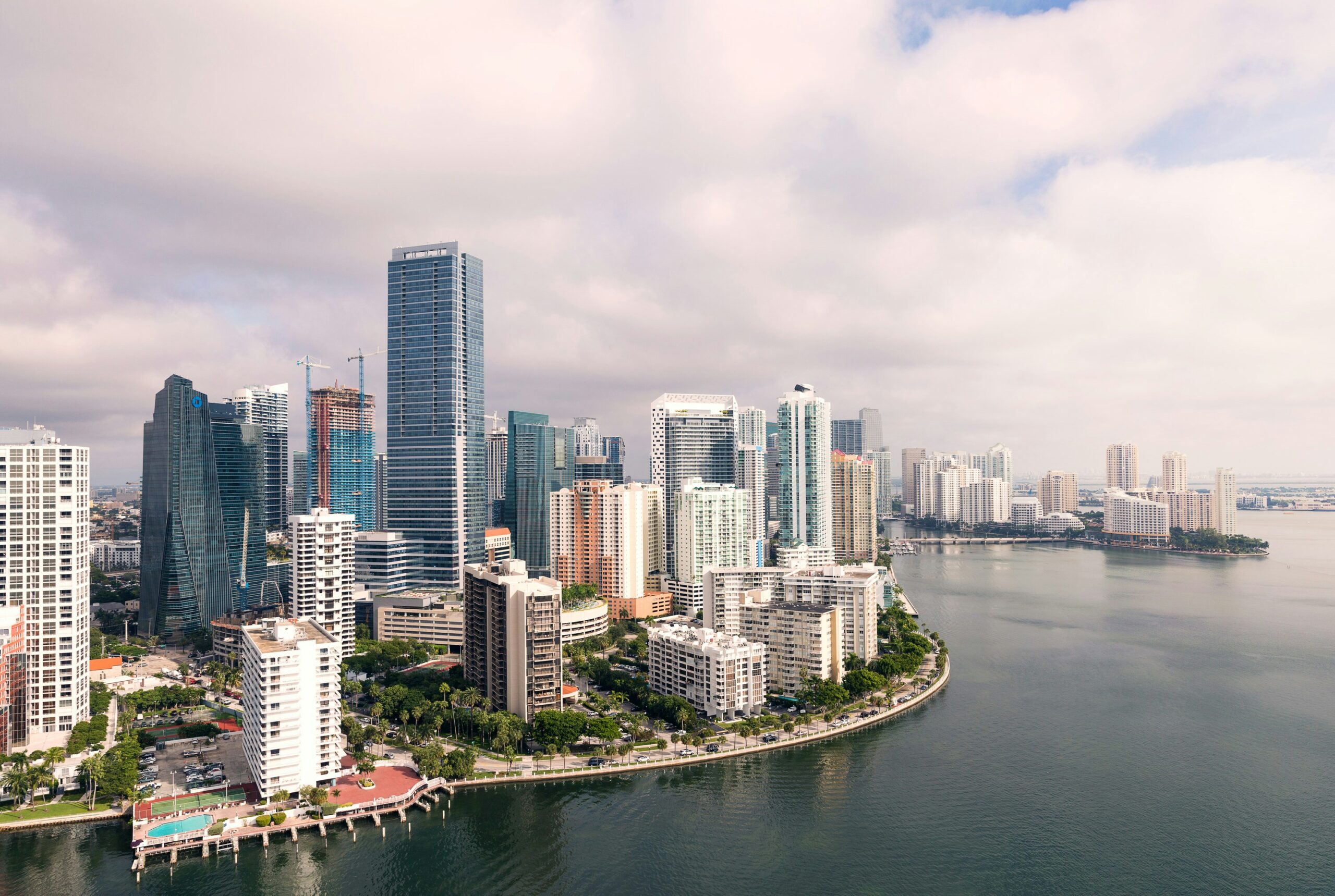
Singapore didn’t wait for another climate summit, another policy cycle, or another stack of environmental PDFs no one reads past page twelve. It moved. It started building a national plastics circularity platform while the rest of the world was still passing the mic around. And it didn’t build it on slogans or recycled talking points. It’s being built on science. Molecular signatures. Verified recovery. Real economic gravity.
That momentum gets its strength from A*STAR, the country’s brain trust for scientific research, and SMX (NASDAQ: SMX), the company turning the physical world into something you can actually track. Together, they’re doing what every government claims to want but rarely has the nerve or clarity to execute. They’re building the verification layer that the rest of the world keeps promising but never assembles.
And that difference matters. Because Singapore isn’t trying to win a PR battle. It’s trying to build the bones of a future where recycling isn’t a marketing campaign, it’s a functioning economic system. No victory laps. No flags waving on Instagram. Just the quiet confidence that comes from constructing something durable enough to change how the world thinks about waste, value, and responsibility.
The formula is simple enough to sound rebellious. Plastics keep their identity. Recovery is proven with forensic accuracy. Paperwork stops pretending to be proof. Suddenly, billions in waste management costs don’t disappear into the void. They become the foundation for new revenue streams. Not theoretical ones. Practical ones.
The PCT Turns Circularity From Buzzword to Blueprint
And sitting at the center of that shift is a mechanism most countries never saw coming. The Plastic Cycle Token (PCT). A digital, measurable, verifiable receipt for recovery itself. Not a token built for speculation, but one built for accountability. A way to turn proof into value, and value into incentive, without the smoke and mirrors that ruined the last decade of digital experiments.
Here’s the thing no one wants to admit. Most circularity systems fall apart because they’re built on trust instead of verification. Everyone talks a good game until the numbers don’t match the narrative. That’s where Singapore made its break. It didn’t build a philosophy. It’s building infrastructure. And infrastructure doesn’t care about your intentions. It cares about whether the system works when no one’s looking.
The catalyst: SMX. Its molecular markers stay with plastics through shredding, melting, grinding, and rebirth. Its digital passports give regulators something every auditor dreams of and rarely gets. Evidence that doesn’t unravel the moment you stress-test it. And when that evidence ties into the Plastic Cycle Token, recovery stops being an unverified line item and becomes a certified economic asset. A datapoint you can hold, price, trade, measure, and defend.
Once truth is embedded in the material itself, everything gets easier. Estimates fall away. Assumptions are laid to rest. Interpretation stops being a loophole. What’s left is a truth layer strong enough to turn an environmental fantasy into an actual economic play.
Singapore may be leading this wave, but Europe is the continent with the most to gain from catching it. It has targets, firepower, and the kind of idealistic ambition that turns industries upside down. But Europe’s not struggling with vision. It’s struggling with visibility. Plastics move through borders and processors so quickly that reporting never catches up. And when verification systems depend on declarations, policies start showing their vulnerabilities.
Singapore’s model doesn’t tell Europe what it isn’t. It shows Europe what’s possible. It gives the EU something it has never had: a blueprint where policy meets precision and finally wins. And with a tokenized proof layer sitting on top of molecular identity, Europe wouldn’t just meet its circularity targets. It would finally be able to measure them.
The World Isn’t Watching, It’s Plugging In
The best part of the SMX value proposition: it doesn’t need to stay local. In fact, it’s already global. SMX brought its molecular truth serum to Dubai’s DMCC Precious Metals Conference and turned heads in one of the toughest commodities rooms in the world. Not because of showmanship. Because the system actually works.
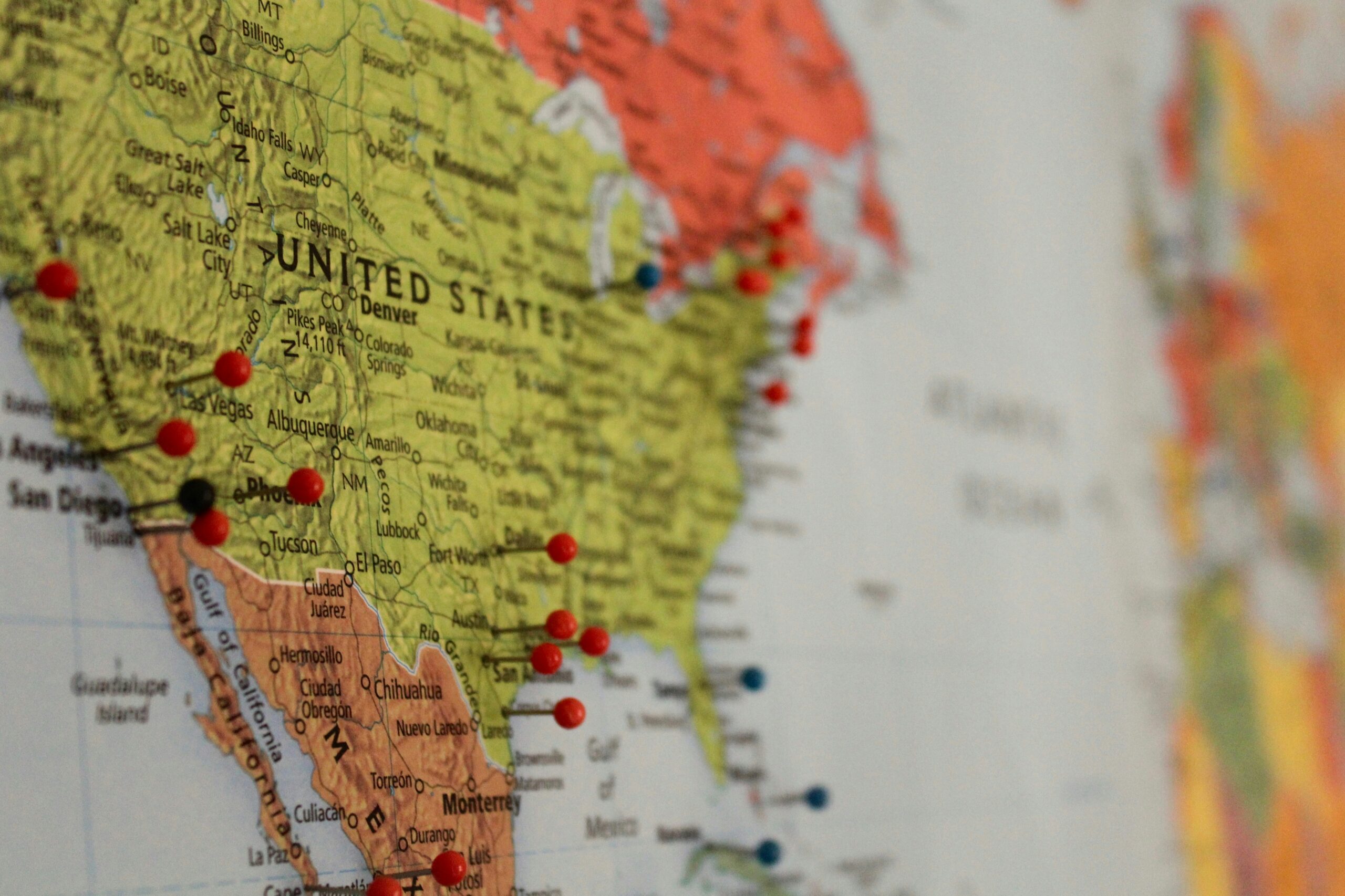
During 2025, partnerships started appearing fast, the kind of surge you see when a breakthrough stops being theory and starts becoming infrastructure: REDWAVE in Austria, Tradepro in the United States, CETI in France, CARTIF in Spain, and other players across Europe and Asia. Not hype. Not handshakes. Alignment.
A whole ecosystem quietly responding to the same signal: environmental truth isn’t optional anymore. It’s the ticket for entry, and the Plastic Cycle Token becomes the universal receipt that makes truth transferable, trackable, and economically meaningful.
That’s why Singapore isn’t being treated like an anomaly. It’s being treated like a prototype. A demonstration of what happens when a country refuses to pretend paperwork is proof and decides to build a verification layer instead. Once regions start tuning to that same frequency, the global standard writes itself. Science rises. Declarations fade. And most importantly, recycling finally becomes measurable in a way that regulators can trust and markets can price.
When SMX Flips the Switch, Circularity Becomes Real
Give SMX its due credit. It didn’t walk into this moment with glossy branding. It walked in with science. Markers that don’t wash off. Data that doesn’t hide. Digital passports that survive every transformation a material can go through. Governments keep demanding evidence they can’t verify; SMX is the one showing up with proof nobody can fake.
And the Plastic Cycle Token ties it all together. It takes verified recovery and translates it into something regulators can audit, recyclers can monetize, and industries can benchmark. A truth-backed unit of environmental performance. Not a promise. A record.
Once that verification backbone is installed, every player in the chain starts operating differently. Policymakers stop guessing. Industry finally gets predictability. Recyclers stop getting boxed in by suspicion and start getting recognized for actual work. Circularity stops being a promise and becomes a practice.
That’s the part that matters most. Singapore isn’t just building the first national circularity platform. It’s building the one everyone else will eventually measure themselves against. Europe’s ready. North America’s circling. Asia’s leaning in. The world’s interest is rising because SMX has built the missing infrastructure.
Once Singapore flips the switch, it won’t mark a chapter. It’ll mark a shift. The end of unverifiable recycling. The beginning of traceable circularity. And the moment countries finally understand they don’t need permission to build the future. They just need proof and a voice. SMX and its Plastic Cycle Token deliver both.
Written in partnership with Tom White